
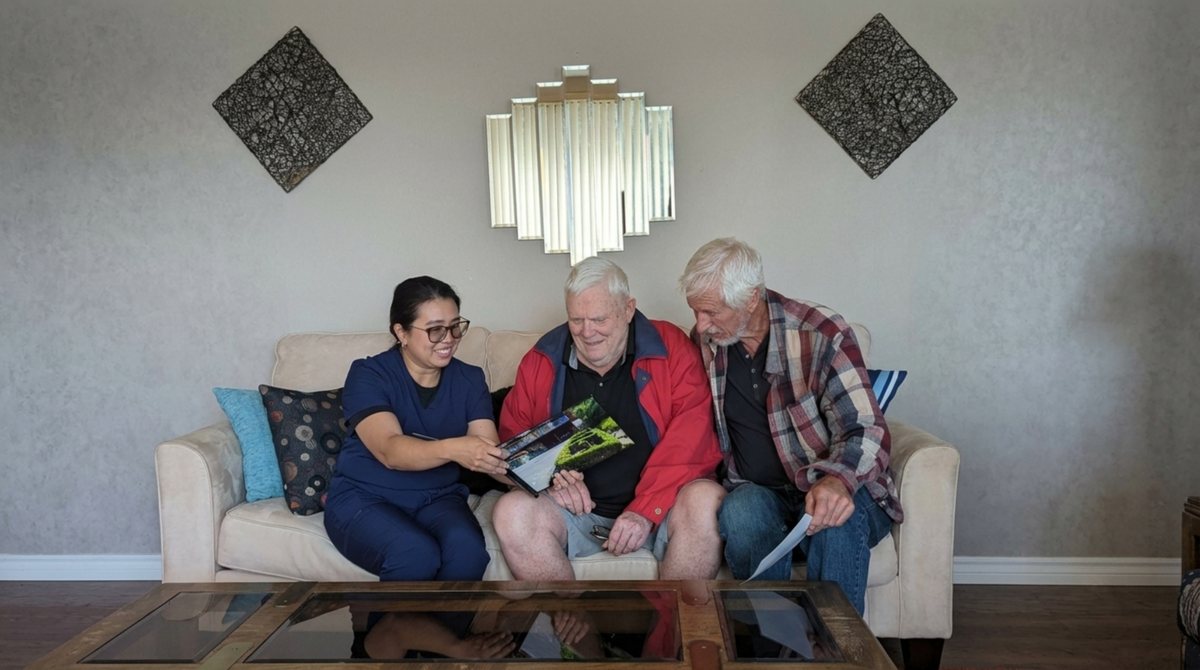
Getting older, recovering from surgery, or living with a mobility issue often means the small, everyday things such as taking a shower, getting dressed, moving safely across the room suddenly aren’t so simple anymore. That’s where in-home personal care comes in. It’s built around helping people stay comfortable, safe, and independent, right where they already feel at home.
At United Respite Care, we build our care around the person, not the other way around. Our caregivers help with hygiene, mobility, daily routines, and companionship, always with an eye toward dignity and personal preference.
If you’re trying to figure out whether personal care is the right fit for you or someone you love, here’s a straightforward look at what it actually involves.
What Is Personal Care, Exactly?
Personal care is in-home support with the day-to-day things hygiene, dressing, moving around, and general daily routines. Unlike moving into a facility, it lets someone stay in their home, surrounded by what’s familiar, while still getting the help they need.
That can mean anything from a hand getting in and out of the shower to full support with dressing, toileting, and getting around the house. Some people need a caregiver for an hour a day; others need someone around much more often. It really depends on the person.
And the point of it all isn’t just “getting tasks done.” Good personal care means someone still feels like themselves safe, comfortable, and as independent as they can be.
What’s Actually Included?
Every care plan looks a little different, but here’s what tends to come up most.
Bathing and hygiene. Showering safely becomes harder with age or limited mobility, and it’s one of the more common reasons families reach out for help. These services encompass a wide range of tasks, including washing, drying, oral hygiene, hair care, and general grooming, all conducted with a strong emphasis on privacy and respect.
Dressing and grooming. Buttons, zippers, and picking out weather-appropriate clothes can turn into real obstacles. A caregiver can help with getting dressed, styling hair, or general grooming while still letting the person do as much as they’re able to on their own.
Toileting. This is understandably a sensitive area, and it’s handled that way privately, respectfully, and with attention to safety, whether that means help with transfers or just making sure the bathroom routine goes smoothly.
Mobility. Whether it’s walking from the bedroom to the kitchen, getting out of bed, or using a cane or walker, a caregiver is there to ensure that movement around the house stays safe without taking away the person’s independence.
Meals and daily routines. Cooking can become a burden after surgery or as mobility declines. Caregivers can step in to prepare simple meals, tidy up afterward, and help keep the day running on a consistent rhythm.
Medication reminders. Some individuals require a gentle reminder to maintain their schedule. Caregivers can offer reminders as part of the daily routine, always in line with what a doctor has prescribed and within the scope of what the care provider offers.
Who Tends to Need This Kind of Support?
- Seniors often find relief in having someone assist with routine tasks as they become more challenging, benefiting both themselves and their families.
- People with mobility challenges bathing, dressing, and moving around safely can all become genuinely difficult without help.
- People recovering from surgery recovery often comes with a temporary dip in mobility, and having support during that window can make a real difference. (Always worth checking with a doctor on what level of care makes sense.)
- People living with disabilities need to vary a lot from person to person, so care has to be built around the individual, not a template.
- Anyone needing a bit of extra help not every situation involves a long-term condition. At times, individuals may require temporary assistance.
Why Choose In-Home Care?
It’s familiar. There’s real comfort in staying in your home, sleeping in your bed, and keeping your own routine especially for seniors who’d rather not uproot their lives for a facility.
It protects independence. The goal was never to take over. A good caregiver steps in where it’s genuinely needed and lets the person handle the rest.
It’s personal. No two care plans should look identical, because no two people need exactly the same things.
It gives families a break. Family caregivers often carry a lot of jobs, kids, their lives on top of caring for a loved one. Professional support can alleviate some of that burden.
It makes the small stuff easier. Dressing, cooking, and moving around these small routines accumulate, and receiving assistance with them can significantly enhance someone’s daily comfort.
Personal Care vs. Companion Care
These two get mixed up a lot, but they’re not quite the same thing.
Companion care is more about connection, conversation, activities, just having someone around. Personal care is more hands-on, focused on things like bathing, dressing, toileting, and mobility.
Many people actually benefit from both say, help getting ready in the morning, plus some company and conversation through the rest of the day.
Personal Care vs. Home Care (What’s the Difference?)
“Home care” is really an umbrella term that covers a lot of ground personal care, companionship, overnight care support, respite care, help with daily living, and more. Personal care is just one piece of that broader picture, focused specifically on personal and daily activities.
When you’re comparing providers, it’s worth asking exactly what falls under their definition of “home care” so you know what you’re actually signing up for.
How to Pick the Right Provider
Know what you actually need. Begin by creating a simple list of your needs, such as bathing, dressing, mobility, meals, and companionship. Having this clear makes the rest of the process much easier.
Ask how care plans work. A good provider takes time to understand routines and preferences and adjusts the plan as needs change over time.
Check caregiver experience. Ask about training, screening, and how caregivers get matched with clients.
Look for solid communication. You should always know who to call and how you’ll be kept in the loop.
Make sure dignity comes first. Personal care touches on private, sometimes uncomfortable moments. The right provider treats every one of them with respect.
Signs It Might Be Time to Consider Personal Care
- Struggling with bathing or hygiene
- Trouble getting dressed
- New or worsening mobility issues
- Difficulty moving safely around the house
- Recovering from surgery
- Everyday tasks feel harder than they used to.
- Spending more time alone, without much support
- Family members carrying most of the day-to-day care
Catching these signs early can make the transition to extra support a lot smoother for everyone involved.
Personal Care Services in Langley, Surrey, and Delta
United Respite Care supports individuals and families across Langley, Surrey, and Delta, with care built around each person’s actual needs.
In Langley, that might mean help with hygiene, dressing, mobility, or whatever else fits into someone’s daily routine.
In Surrey, families can count on practical, in-home support that lets their loved ones stay in a familiar setting, shaped around their preferences and needs.
In Delta, residents looking for extra help with daily personal care can explore what in-home options look like for their situation.
How United Respite Care Fits In
We know care isn’t one-size-fits-all. Our focus is on compassionate, in-home support that respects each person’s dignity and independence, not a checklist applied the same way to everyone.
Beyond personal care, we also offer companionship care, overnight care, 24-hour care, post-hospital care, surgery care, memory care, and mobility care.
Whatever level of support you’re looking for occasionally or ongoing it’s worth having a conversation to figure out what actually makes sense for your situation.
You can also see every service we offer on our Langley home care services page.
Frequently Asked Questions
What are personal care services? Support with everyday personal activities bathing, grooming, dressing, toileting, mobility, and other daily routines delivered right in your own home.
What are the specific responsibilities of a personal caregiver? It depends on the care plan, but generally, help with hygiene, dressing, mobility, toileting, meal prep, and other daily support.
Can seniors receive personal care at home? Yes it’s actually one of the most common reasons families look into it, since it lets seniors stay in a familiar environment while getting the help they need.
What’s typically included in home-based personal care? Home-based personal care typically includes bathing, grooming, dressing, toileting, mobility help, meal preparation, and other daily living support, with the specifics varying based on the individual and the provider.
How is personal care different from companion care? Personal care is more hands-on (hygiene, dressing, mobility); companion care is more about connection and conversation. Many people use both.
Can personal care help after surgery? Often, yes especially when mobility or daily tasks are temporarily harder. It’s worth talking to a doctor about what level of support fits the recovery.
How do I know if my loved one needs this kind of help? If they’re struggling with bathing, dressing, hygiene, or getting around safely, it’s worth having a conversation with a care provider about what support might help.
Can the care plan be customized? Definitely personal care is usually built around the individual’s routine, preferences, and level of independence.
Get in Touch
If you or someone in your family could use a hand with personal care, mobility, or daily routines, United Respite Care is here to help you figure out what’s next.
We proudly support individuals and families across Langley, Surrey, and Delta.
Reach out to United Respite Care today to talk through your care needs.